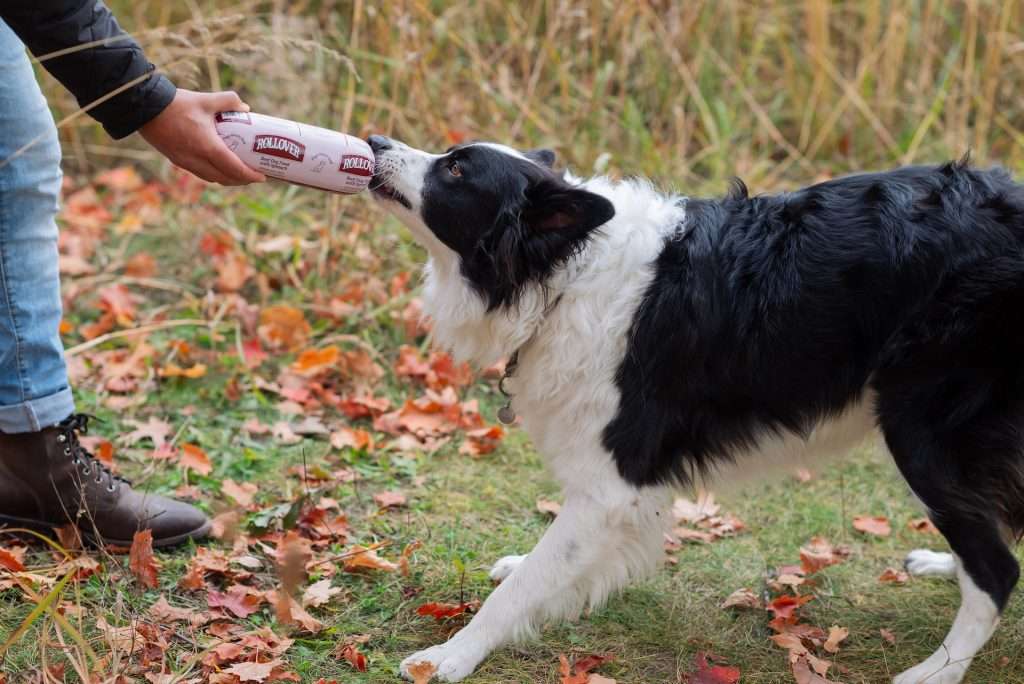
As pet owners, ensuring our furry friends receive optimal nutrition is paramount. But understanding pet food labels can be perplexing. How do we discern what’s truly beneficial for our pets?
This guide will help you confidently decipher pet food labels. We’ll dissect mandatory label components, examine ingredient lists, and identify trustworthy products. Learn to ensure nutritional balance, transparency in sourcing, and the absence of fillers. With this knowledge, you’ll select products that prioritize your dog’s well-being.
Understanding Pet Food Labels
What’s required on a pet food label?
- In Canada, pet food labels must comply with regulations and best practices in accordance with the Consumer Packaging and Labelling Act and a guide put forth by the Competition Bureau of Industry Canada. These regulations mandate several key components that must be listed on all pet food labels:
The product name and brand must be clearly displayed - The ingredient list, including all components present in descending order by weight
- A guaranteed analysis detailing the minimum percentages of crude protein and fat, as well as maximum percentages of crude fiber and moisture
- A nutritional adequacy statement indicating which life stage the food is suitable for and feeding directions
These regulations are intended to ensure transparency between pet food manufacturers and consumers while providing pet owners with essential information to make informed decisions about their pets’ nutrition.
Deciphering ingredient lists
When deciphering ingredient lists on pet food labels, look for recognizable, high-quality ingredients like real meat, whole grains, and vegetables, which provide essential nutrients for your pet’s health.
Avoid products containing ambiguous or generic terms like “meat by-products” or “animal digest,” as they may indicate lower-quality ingredients or unspecified protein sources.
Be wary of artificial additives, preservatives, and fillers like corn or wheat gluten, as they offer little nutritional value.
Remember to pay attention to the ingredient order. Items are listed by weight, with those at the top comprising the majority of the product. Prioritizing products with wholesome ingredients listed near the beginning ensures you provide your pet with nutritious, high-quality meals.
What to Look for in Pet Food Labels
When evaluating pet food labels, it’s crucial to consider several key factors to ensure your pet receives optimal nutrition.
Firstly, prioritize products that offer nutritional balance and adequacy for your pet’s specific life stage and dietary needs. Look for formulations that provide essential nutrients like protein, vitamins, and minerals in appropriate proportions.
Secondly, seek transparency in sourcing and manufacturing practices. Choose brands that openly disclose information about the origins of their ingredients and the methods used in production. Additionally, opt for products that are free from fillers, by-products, and artificial additives, as these ingredients offer little nutritional value and may even be harmful to your pet’s health in the long run.
Lastly, look for certification and approval by regulatory bodies such as the Canadian Food Inspection Agency (CFIA) or Health Canada, which ensures that the product meets rigorous safety and quality standards.
By prioritizing these factors, you can make informed choices and select pet food products that promote your pet’s overall well-being.
You Can Trust in Rollover
Rollover is proud to offer whole-food, minimally processed pet food and treats. We know that dogs are more than just pets– they’re part of the family, which is why we set out to create high-quality, healthy pet food.
All of our products are made from the highest quality, raw ingredients from human-grade, CFIA (Canadian Food Inspection Agency) approved facilities. We handcraft our unique lines of Rollover dog food at our family-run location in High River, Alberta. Nothing is mass-produced. Instead, we focus on small batches to ensure high-quality products.
The Bottom Line
It’s essential to make informed choices that prioritize your pet’s health and well-being. By carefully examining labels, you can ensure that the food you select is tailored to your dog’s specific needs, including age and activity level. Remember, your furry companion relies on you to provide the best nutrition possible. Help them live a long, healthy life by avoiding additives and low-quality ingredients!