

Homemade vs. Store-Bought Treats: Pros and Cons
Compare homemade vs. store-bought dog treats and find what fits your routine. Learn the pros, portion tips, safety insights, and how to keep treats balanced, convenient, and healthy for your dog.

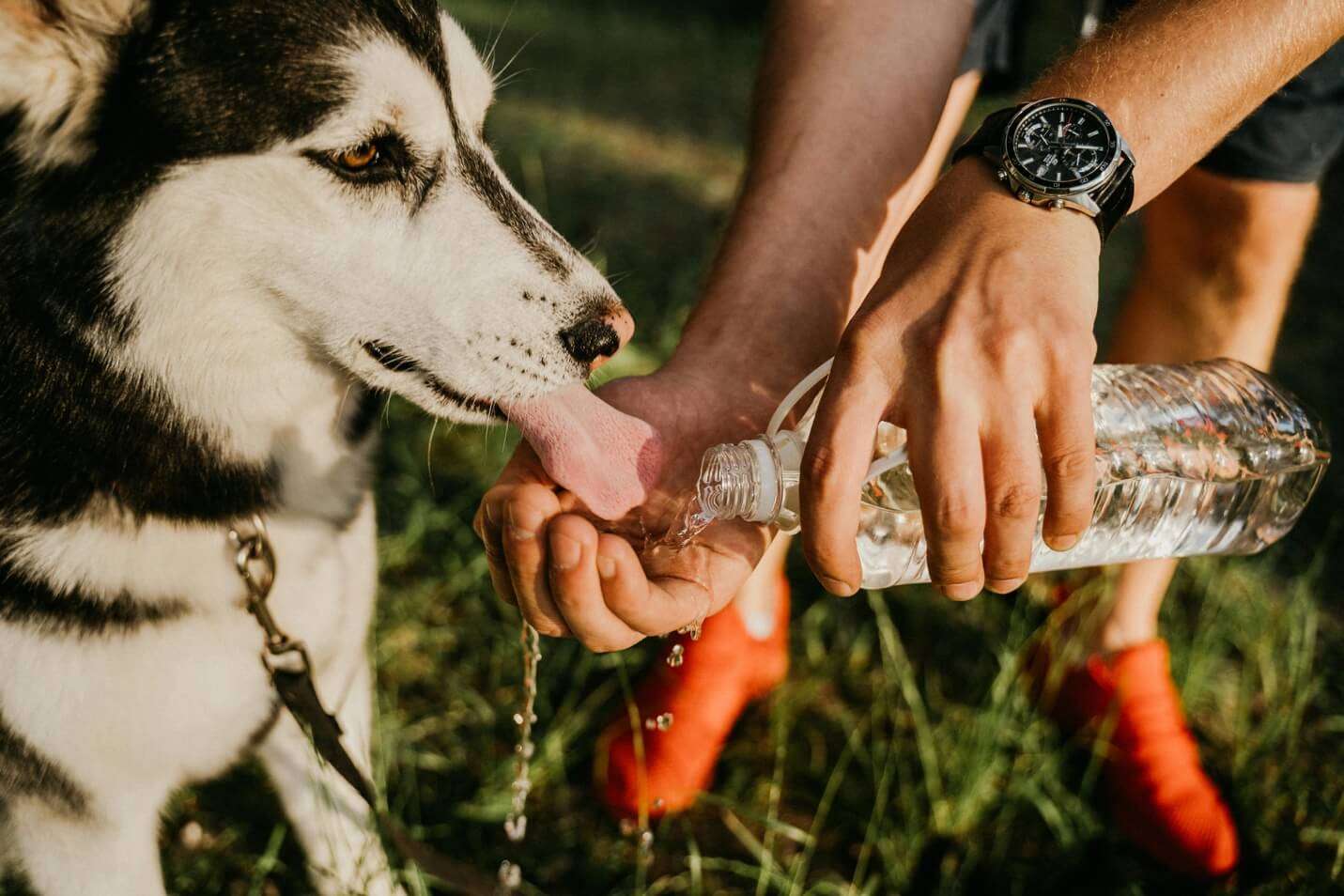
Dogs rely on water to stay healthy, just like humans do. Hydration plays a major role in almost every body function—regulating temperature, aiding digestion, cushioning joints, and supporting kidney function. When dogs don’t get enough water, it can lead to dehydration, which can affect their energy, appetite, and overall well-being.
Water helps break down food so your dog’s body can absorb essential nutrients. Without enough fluids, digestion slows down, and your dog may experience constipation or reduced appetite. Hydration also supports saliva production, which is key for chewing and swallowing.
Panting is a dog’s main way of staying cool, and that process uses up water. On warmer days or after playtime, dogs need more water to help regulate their temperature. Dehydration can increase the risk of heat stress, even during moderate activity.
Water lubricates joints and supports muscle function. Active dogs, senior dogs, or those with joint sensitivity benefit from staying well-hydrated, as it can reduce stiffness and improve comfort during movement.
The kidneys use water to remove waste from the body. When a dog doesn’t drink enough, those waste products can build up, putting stress on the kidneys and other organs. Hydration supports the body’s natural detox system.
Some dogs aren’t keen on drinking a lot of water, but there are easy ways to boost their intake.

It helps to recognize signs that your dog might need more fluids:
If you’re concerned, reach out to your vet for advice, especially if your dog is refusing water or showing signs of illness.
Some foods naturally help with hydration. Semi-moist foods contain more moisture than traditional dry kibble. Choosing foods with higher moisture content can support hydration while providing balanced nutrition.
At Rollover, nutrition and wellness go hand in hand. Our semi-moist dog foods offer both taste and added moisture, supporting your dog’s health in a simple, enjoyable way. Made in our High River facility with real, human-grade ingredients, our foods are minimally processed and highly palatable—perfect for daily meals, supplements, or treats. They’re an easy way to support hydration, especially for dogs who might not drink enough on their own.
For a happy, active dog, hydration is just as important as nutrition. And with the right food and care, both can be simple.


Compare homemade vs. store-bought dog treats and find what fits your routine. Learn the pros, portion tips, safety insights, and how to keep treats balanced, convenient, and healthy for your dog.

Learn how to choose the right chew based on your dog’s chewing style, size, and age. Discover safer options, dental tips, and how Rollover chews support healthy, satisfying chew time.

Consistent meal times reduce stress, boost focus, and promote calm behaviour in dogs. Learn how daily routines paired with Rollover’s easy, nutritious meals create lasting structure and trust.

Use food to shape good habits with positive reinforcement. Learn how smart treat choices, timing, and Rollover’s soft, healthy rewards can boost focus, motivation, and consistent training.

Learn how animal and plant proteins support your dog’s health. Explore digestibility, amino acid needs, and how Rollover’s real food blends offer balanced, complete protein in every bite.

Dogs thrive on balanced nutrition, and fibre plays a key part. It keeps stools regular, supports a healthy gut lining, and can curb begging by adding low-calorie bulk. Some fibres even feed microbes that craft vitamins inside the colon.


